Wonders of Orb Weavers
October 15, 2025 · Uncategorized
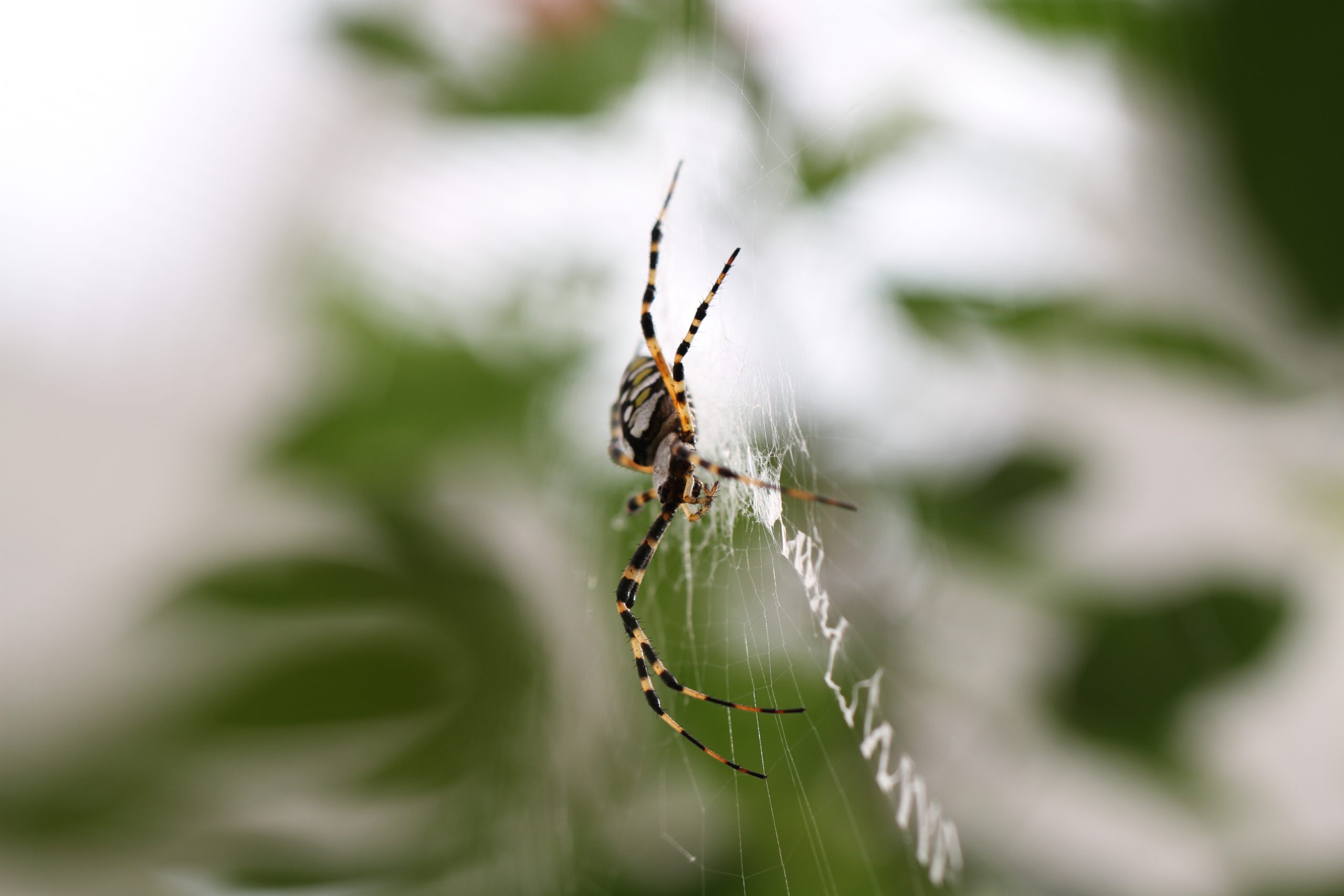
Orb weavers are one of the most common types of spiders, most famous for their well-known circular webs. Shy, harmless, and widespread, many different species of orb weavers are important for reducing local pest populations. They also often consume their own webs, making them remarkably tidy. From Asia to the Americas, many orb weavers live for about one year and reproduce when females lay eggs, sometimes up to 3,000 at once. Although their webs follow the same shape, orb weavers do not have a uniform look among species; the Spiny Crab Orb Weaver gets its name from its unique crab-like appearance, and often has contrasting yellow, red, black, or white spots and spines that help provide camouflage as they hide in the center of their webs. Although the main diet for orb weavers consists of smaller insects, the Yellow Garden Spider and Golden Orb Weaver have been known to eat small reptiles that get ensnared in their webs. Both species are also prone to parasitic wasps, which lay eggs in the spider so that larvae have a food source when they hatch.
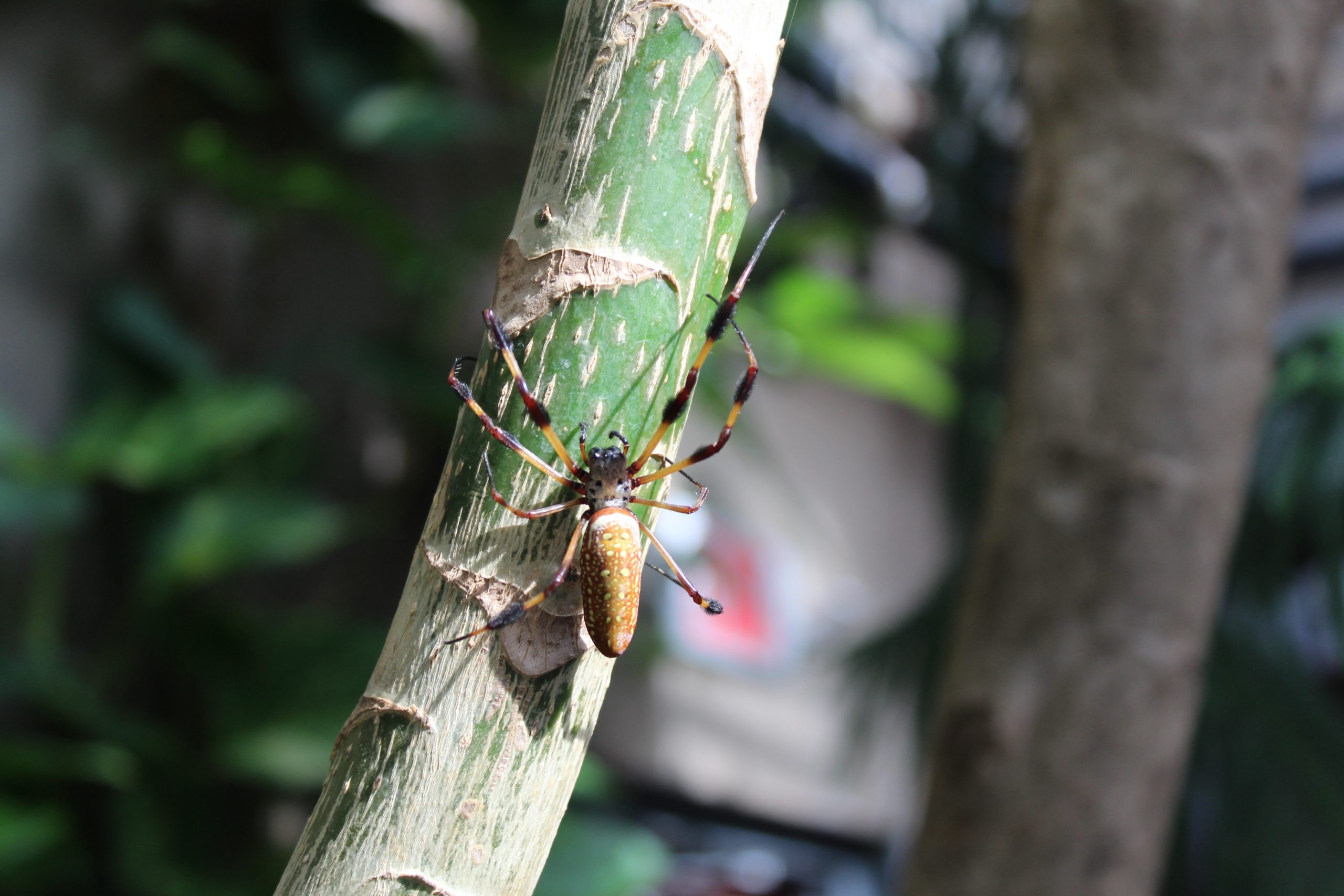
One thing that unites many species of orb weaver is sexual dimorphism, where the males are significantly smaller than the females. In the case of Giant Golden Orb Weavers, it has been theorized that female gigantism or male dwarfism are responsible for such a drastic difference. Most species of orb weaver are also not aggressive, which makes them a great source of pest control for forests, fields, and gardens worldwide.
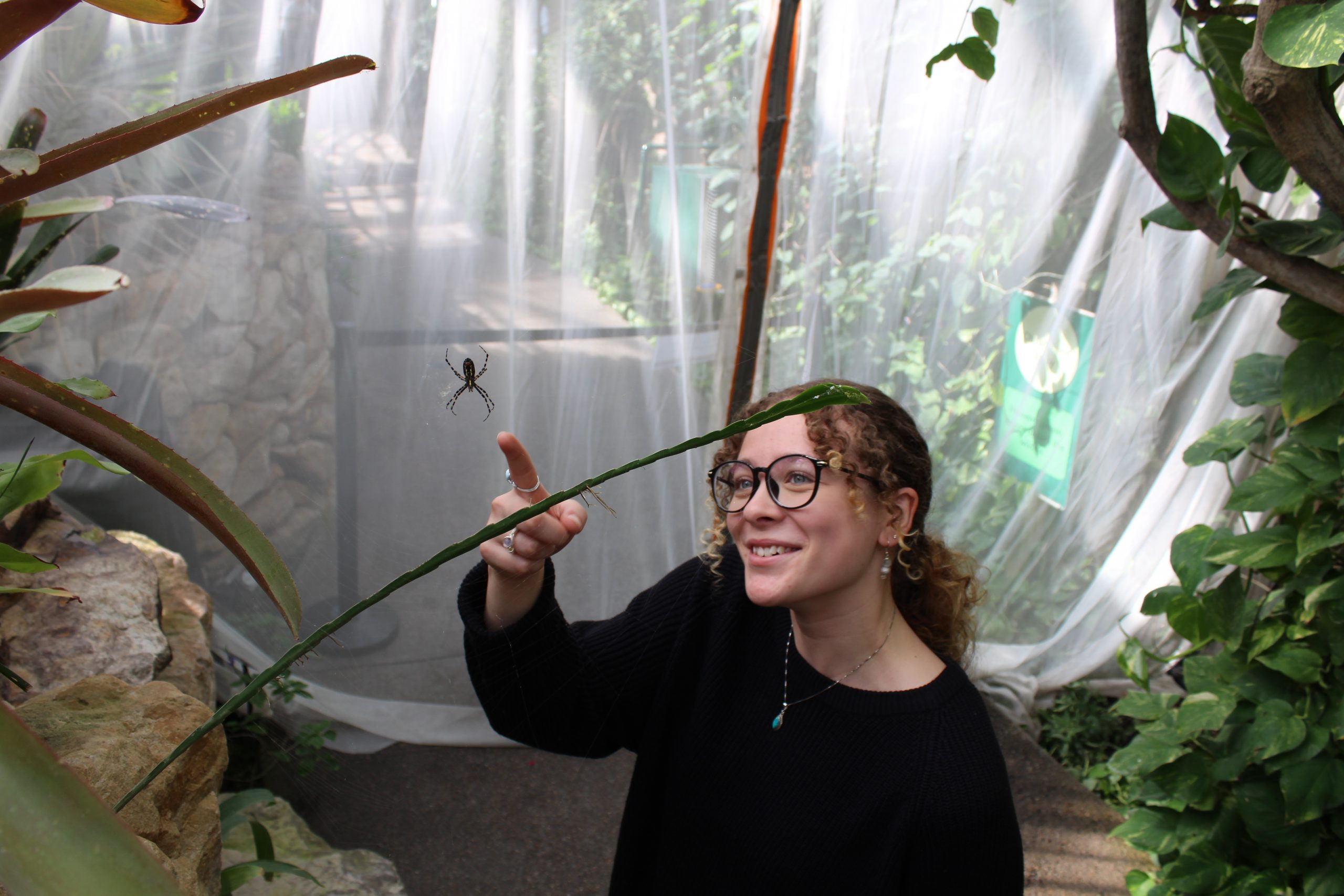
As a celebration of these amazing creatures, and as part of Butterfly Pavilion’s Spiders Around the World Exhibition, visitors can wander among free-roaming orb weavers and marvel at their creations in showstopping Spider Zone. An exotic enclosure filled with hundreds of free-roaming orb weavers, Spider Zone gives guests the opportunity to get very close to the brilliance of orb weavers. However, these spiders have jobs far beyond just educational display. After Spider Zone closes for the season, all the specimens will be sent to the Natural History Museum of Los Angeles County to be studied.
Orb weavers play a crucial role in their ecosystems, and parts of the human world have taken advantage of their incredible traits. The Joro Spider, for example, makes its webs with yellow silk, which has been used in Japan for making textiles like fishnets. Golden Orb Weaver silk has also been used for human innovation; it has been tested as a potential way for severed nerve cells within human bodies to connect. Orb weavers are essential to their ecosystems. As invertebrate numbers decline, it becomes important to learn about and protect these animals. Spider Zone is just one way that Butterfly Pavilion commits to research, conservation, and education aimed at preserving the invertebrates that share the world with us. Written by Rachel Zing