National Learn About Butterflies Day
February 17, 2026 · Uncategorized
National Learn About Butterflies Day
Each year on March 14, Butterfly Pavilion celebrates National Learn About Butterflies Day by recognizing the vital role butterflies play and honoring these incredible insects. While many of us admire their beauty, these animals, yes, butterflies are animals, are often misunderstood, and their essential role in our ecosystems is frequently overlooked. There’s a lot more behind a butterfly’s wings than just their color; their wings are actually covered with hundreds of thousands of tiny scales. Each scale contributes its own hue, coming together to create the breathtaking patterns we admire from afar. Beyond their beauty, these scales may also provide essential protection for butterflies against the elements.
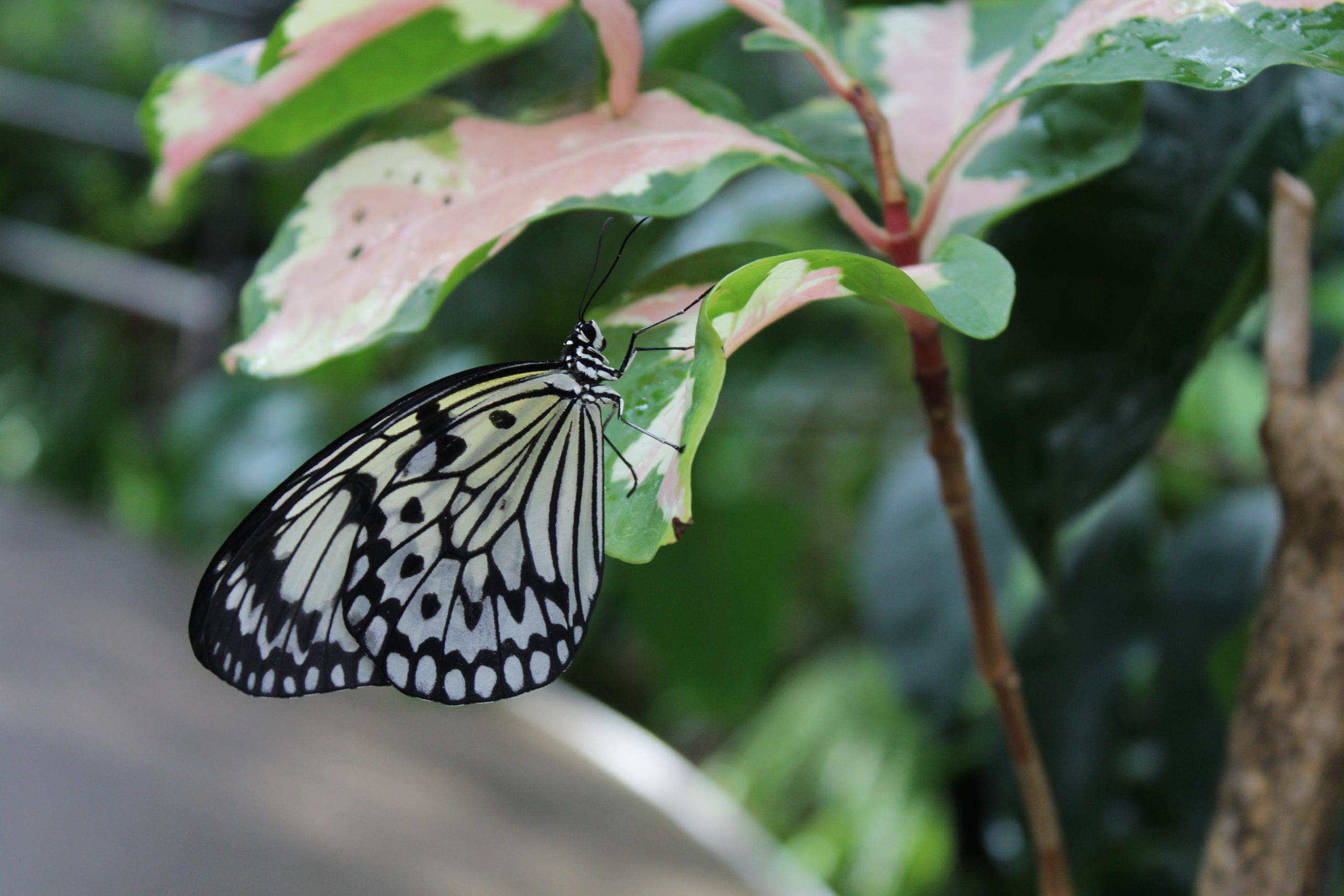
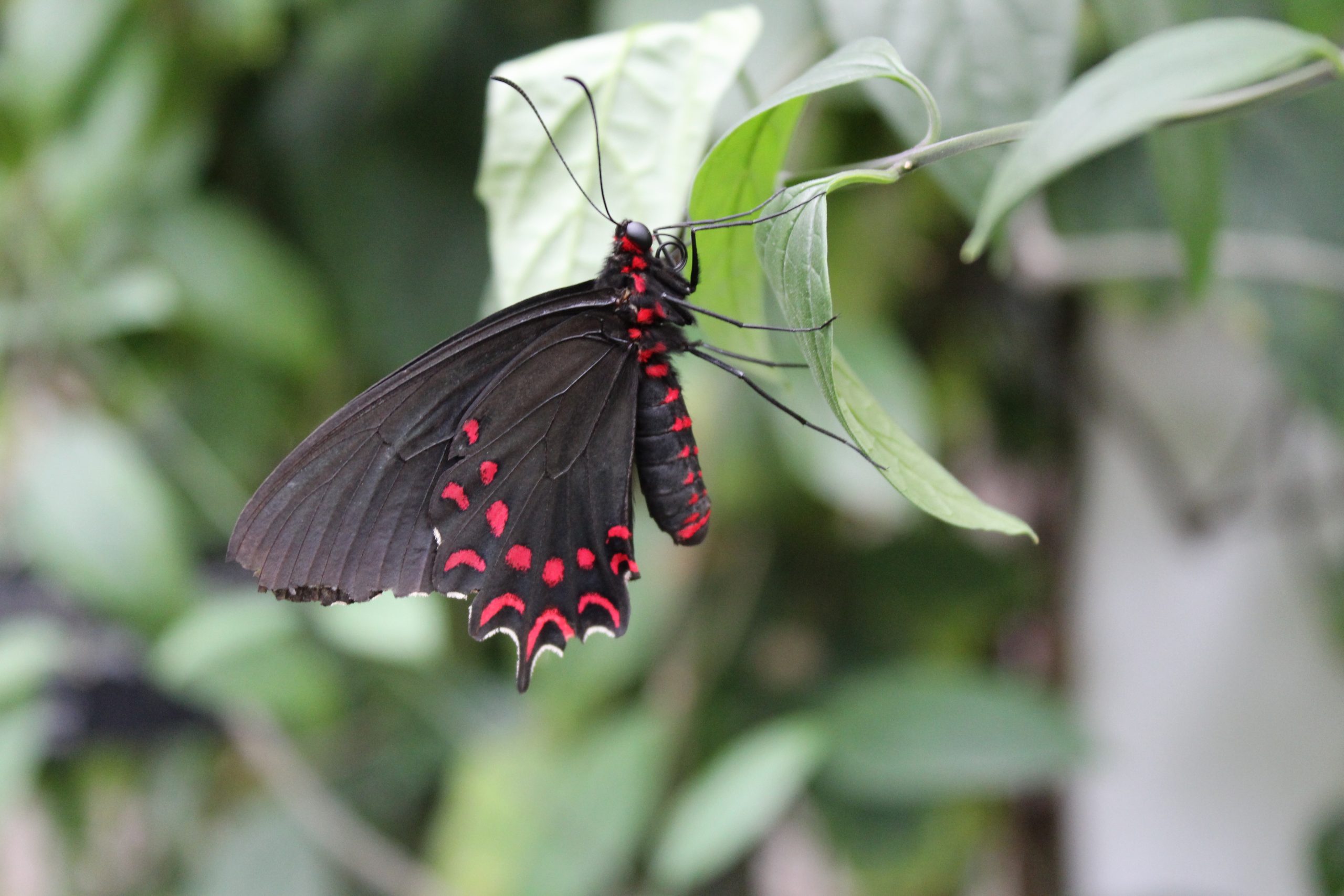
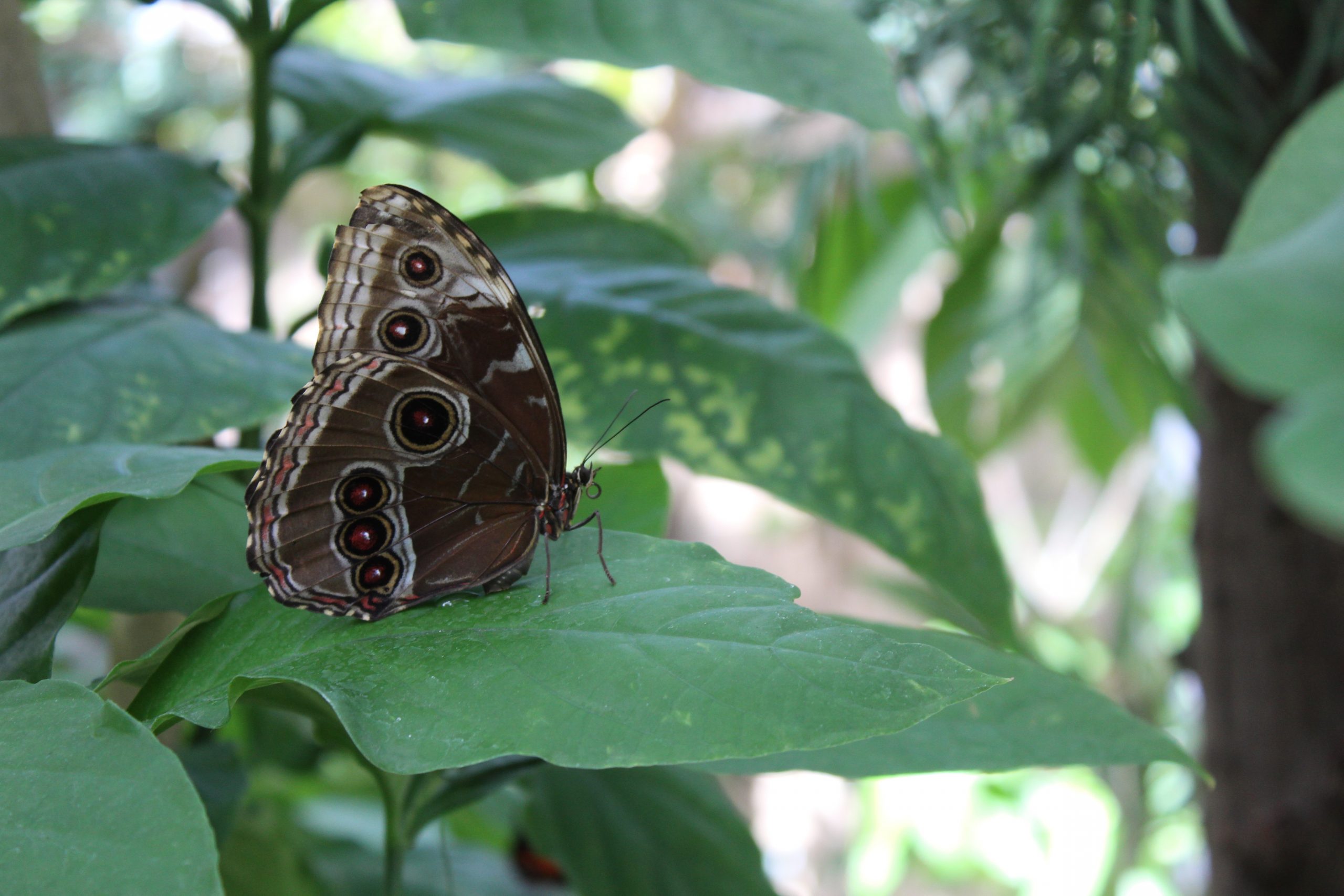
Some butterflies use their wings for camouflage, while others, often those with brighter colors, use them as a warning to predators that they are poisonous or unpleasant to taste. Others, like the Magnificent Owl Butterfly, have wing patterns that mimic large eye spots, scaring predators by making them appear bigger or more dangerous. Some butterflies even have specific colors or patterns to help attract mates. The next time you see a butterfly in the wild or at Butterfly Pavilion, ask yourself why it carries the pattern on its wings. There’s likely an important reason behind it. It’s not just their wings that display beautiful colors; butterflies show a unique appearance at every stage of their metamorphic journey. Butterflies undergo four stages of complete metamorphosis: egg, larva (caterpillar), pupa (chrysalis), and adult. During the larval stage, caterpillars eat frequently and grow rapidly. With stripes, spots, spines, and even horns, many caterpillars use these striking features to help deter predators.
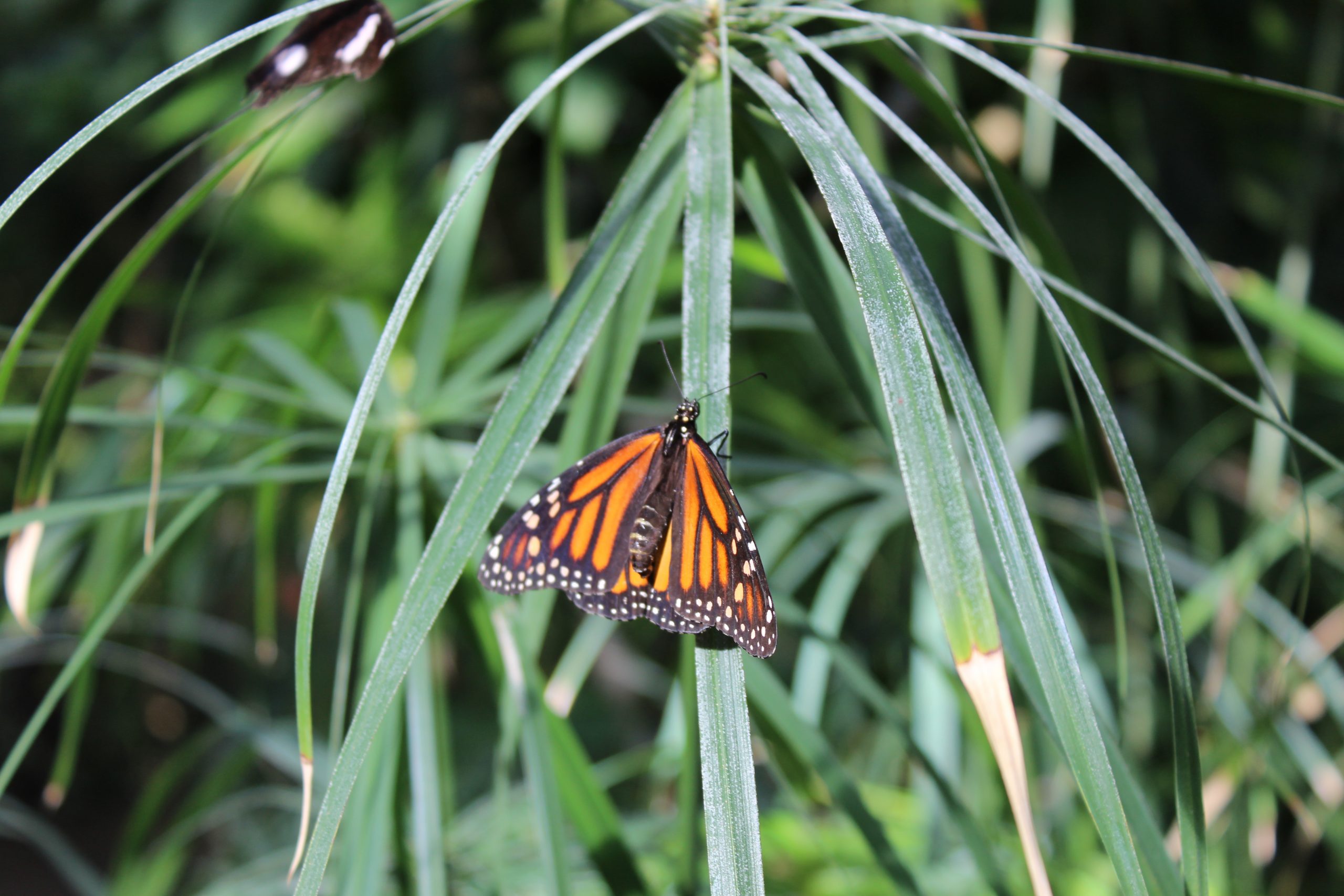
Once they transform into pupae, their chrysalids are often green, metallic, or brown, allowing them to blend into their surroundings. Metallic chrysalids may mimic dew drops, while green or brown ones resemble leaves and other plant material. After reaching adulthood, many butterflies rely on nectar from flowers as their primary food source. As they fly from flower to flower, these delicate creatures unknowingly carry pollen on their tiny bodies, helping to pollinate plants. Because of this, butterflies play a vital role in ecosystem health. However, habitat loss and climate change threaten butterfly populations around the world, leading to widespread declines. On National Learn About Butterflies Day, we’re reminded that butterflies are far more than just beautiful visitors in our gardens; they are complex, resilient animals with an essential role in the natural world. By learning more about their life cycles, adaptations, and contributions to healthy ecosystems, we can better appreciate and protect them. Whether you encounter a butterfly in the wild or up close at Butterfly Pavilion, taking a moment to observe, learn, and stay curious helps ensure these remarkable insects continue to thrive for generations to come. Visit Butterfly Pavilion to experience the nearly 2,000 tropical butterflies fluttering around our Wings of the Tropics conservatory. Get tickets today: www.butterflies.org Written by: Hannah Hitchcock