A Glowing Breakthrough
July 23, 2025 · Uncategorized
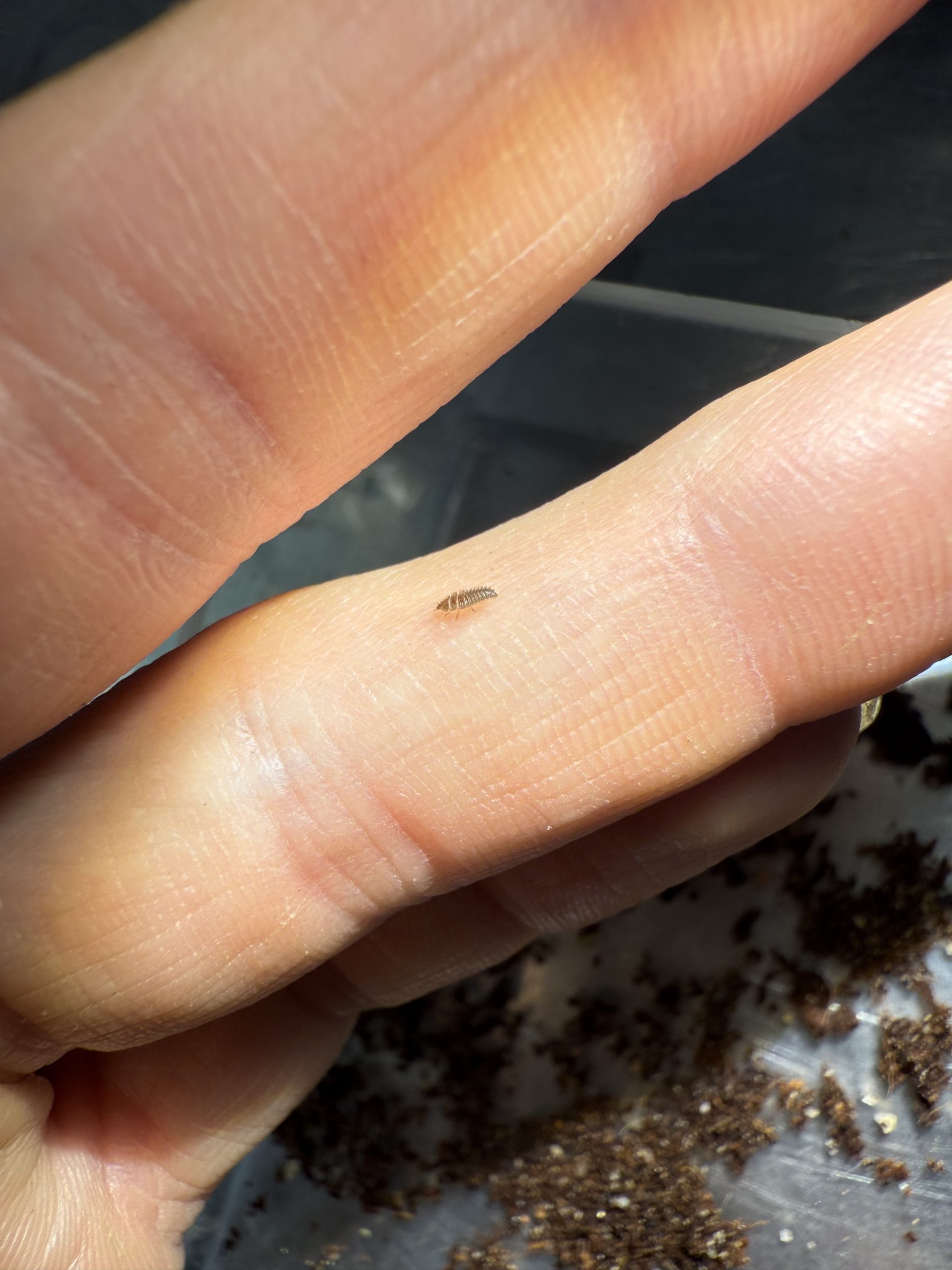
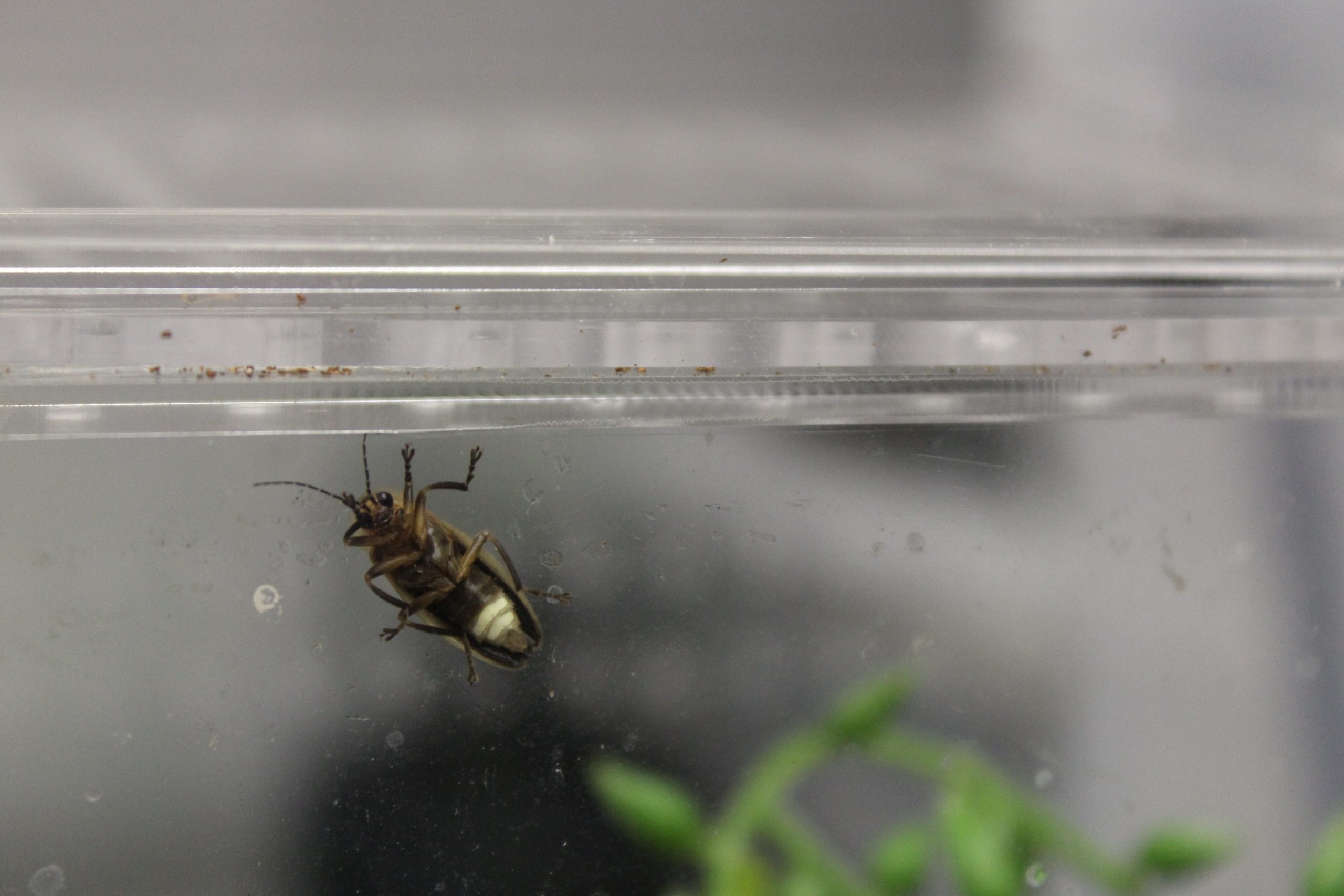
What if we told you Colorado has its own native fireflies — and that Butterfly Pavilion just became the first organization ever to successfully raise one through its entire life cycle under human care? It’s true. This summer, our conservation team reached a historic milestone in invertebrate science: a female Colorado firefly (Photuris sp.) raised entirely in our lab not only reached adulthood but mated and laid viable eggs — and on July 19, at least one of those eggs hatched into a tiny larva. This moment officially closes the loop on the full firefly life cycle in captivity — egg, larva, pupa, adult — a feat achieved by only a few institutions in the world. And we did it right here in Colorado.

Why This Matters
Fireflies aren’t just magical creatures lighting up summer nights — they’re indicators of healthy ecosystems. Their presence signals thriving wetlands, balanced biodiversity, and clean water sources. But firefly populations are declining fast due to habitat loss, light pollution, and pesticide use. Until now, their long and elusive life cycles have made conservation incredibly challenging. That’s why this success at Butterfly Pavilion is more than just a scientific achievement — it’s a powerful step forward in saving these glowing icons of summer. “This is more than a research milestone,” said Dr. Rich Reading, our Vice President of Science and Conservation. “It’s a breakthrough that opens the door to restoring firefly populations across the American West and beyond.”
Eight Years of Determined Work
Our Firefly Lifecycle Project began back in 2017. Each summer, with permits in hand, our team collects adult fireflies from wild habitats near Fort Collins, Colorado. From there, we’ve spent years mimicking their natural environment in our lab — adjusting everything from temperature and humidity to food sources, soil substrate, and light cycles. It can take two to three years for a firefly to mature. Since 2023, we’ve seen five fireflies emerge from our program, including this summer’s breakthrough female. Now, with a new larva born from her eggs, we’ve completed a full generation — and we’re just getting started. “Now that we’ve closed the loop, we can scale efforts to support wild populations and even reintroduce fireflies to places where they’ve disappeared,” said Francisco Garcia Bulle Bueno, Director of Research and Conservation.
What’s Next?
This achievement unlocks new opportunities to:
- Launch captive breeding programs for at-risk fireflies
- Reintroduce fireflies into restored wetland habitats
- Share research and techniques with other institutions nationwide
- Lead public education on firefly protection and habitat conservation
Ultimately, we aim to raise multiple generations, expand to more species, and help spark a national movement to protect fireflies before their light fades forever.
How You Can Help
You don’t need to be a scientist to make a difference. Here’s how you can help protect fireflies today:
- Dim your lights: Turn off outdoor lights at night so fireflies can find mates
- Mow less: Let parts of your lawn grow wild with native plants
- Avoid chemicals: Skip pesticides and herbicides that harm fireflies and their food sources
- Protect habitats: Support wetlands, meadows, and forest edges where fireflies thrive
- Respect nature: Stay on trails and avoid catching or disturbing fireflies
Most importantly: Support Butterfly Pavilion’s efforts.
Your donation helps fund critical research, conservation, and education to protect fireflies and the many other small but mighty species that keep our ecosystems healthy.
Make a gift today