Our Favorite Fall Pollinators
September 9, 2024 · Uncategorized
Written by Amy Yarger, Butterfly Pavilion’s Senior Director of Horticulture Even if the kids are back in school, we are fortunate enough to have a few weeks of pleasant weather left here in the Denver metro area. And we aren’t the only ones enjoying the warm days and last of the season’s flowers. A few hardy pollinators will be with us until the first hard freeze; even a light frost or two aren’t enough to knock them down! So, it’s important to make sure that these amazing pollinators have the food and shelter they need to survive. Just like other pollinators, these insects help to pollinate food crops as well as native plants to keep our ecosystems (and us!) healthy and thriving. Late summer pollinators are colorful and charismatic. Here are some of our favorite late season pollinators from Butterfly Pavilion’s gardens and how you can improve habitat for them.
Colorado soldier beetles (Chauliognathus basalis)

Colorado soldier beetles are about 1 centimeter long, with a narrow body and long, thread-like antennae. Colorado soldier beetles are hard to miss with bold black and golden orange markings, which may vary according to body size and whether the beetle is male or female. This soldier beetle species is found mainly in grasslands on the plains; there are other species more common at higher elevations. If you have any rabbitbrush growing nearby, you are very likely to see these beetles busily chewing pollen and mating. As more people plant native plant gardens along the Front Range, these beetles can live peaceably among us in urban areas, as the true ambassadors of “flower power”. If you’d like to see more Colorado soldier beetles in your own landscape, you can plant more late-season blooming plants, such as rabbitbrush. Avoiding landscaping fabric and leaving last year’s debris in your garden also provides the perfect conditions for soldier beetle larvae, allowing the generations to continue. Then you too can join the Beetle Fan Club and appreciate these unsung local pollinators!
Bee flies (family Bombyliidae)

The woolly bee fly, also known as the grasshopper bee fly, is found throughout temperate North America, especially in deserts and grasslands. This species has a round, stocky body, 5-10 mm in length, with fuzzy blond hair and transparent wings. Adult bee flies have long straight proboscises that can’t retract, earning them the nickname “bee-whals”, as in the narwhals of the bug world. Bee flies are adept fliers able to hover and change directions instantly. They often sip nectar without landing on flowers, which protects them from many predators such as ambush bugs and crab spiders. Bee flies are found in open, sunny areas from the foothills to the prairies, and in developed and disturbed landscapes, such as gardens and roadsides. Their active season is mid-summer to mid-fall when their favorite flowers are blooming. They prefer to get their nectar and pollen from plants in the sunflower family, so rabbitbrush, asters, heath asters, sunflowers, and black-eyed Susans are all bee fly favorites. Other ways you can make sure that you enjoy these late-summer visitors is by helping to restore or advocating for our open spaces and native grasslands. Finally, even though grasshoppers can cause quite a bit of damage to your garden, finding ways to manage grasshopper pests without pesticides is going to ensure that these bee flies can pollinate and look cute when we need them to.
Monarch butterflies (Danaus plexippus)
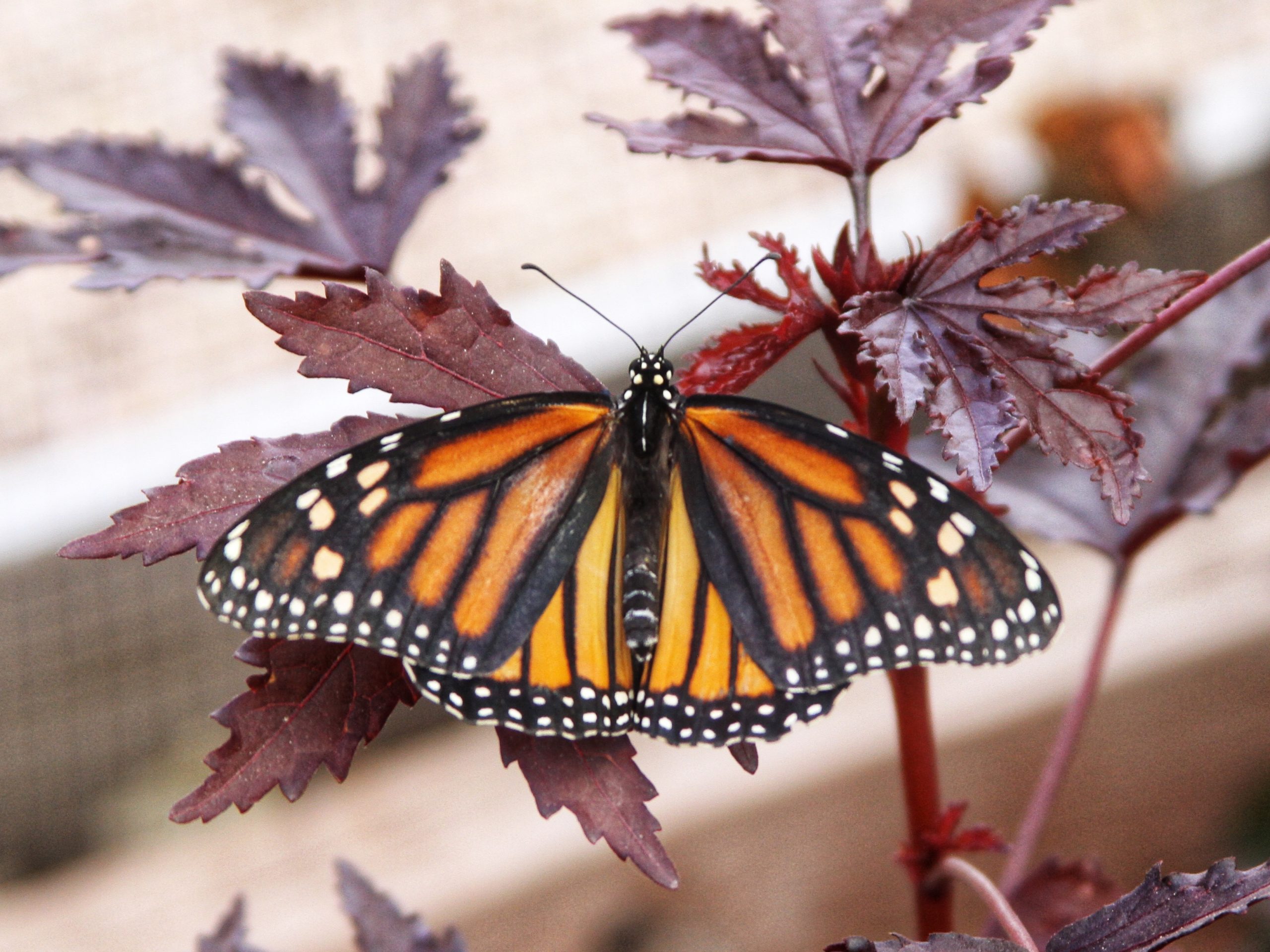
Monarch butterflies are often spotted in the Front Range region during the late summer and fall, although we do not generally see the enormous numbers of monarch butterflies that our neighbors in the Midwest do. However, monarch butterflies do breed here, so it is possible to see the entire life cycle, from caution-tape striped caterpillars to the Halloween-colored adult stage. Monarch butterflies are only one species among over 200 butterfly species found in Colorado, a great reason for us to preserve and restore butterfly habitat. If you would like to help our native butterflies, you have lots of options. You can include native wildflowers, including milkweed for monarchs, in your backyard garden, so that butterflies have food and shelter throughout the year. Many schools, businesses and community centers are also adding habitat gardens. You can contact your local open space and parks department to learn about their pesticide and herbicide use. You can even collect data to share with scientists around the country through Monarch Larva Monitoring Project and MonarchWatch community science initiatives. While the weather is good and flowers are blooming, be sure to get outside and see these late-season wonders for yourself!