Why Early Nature Experiences Matter
January 20, 2026 · Uncategorized
And how hands-on discovery helps children grow into curious, caring stewards of the planet
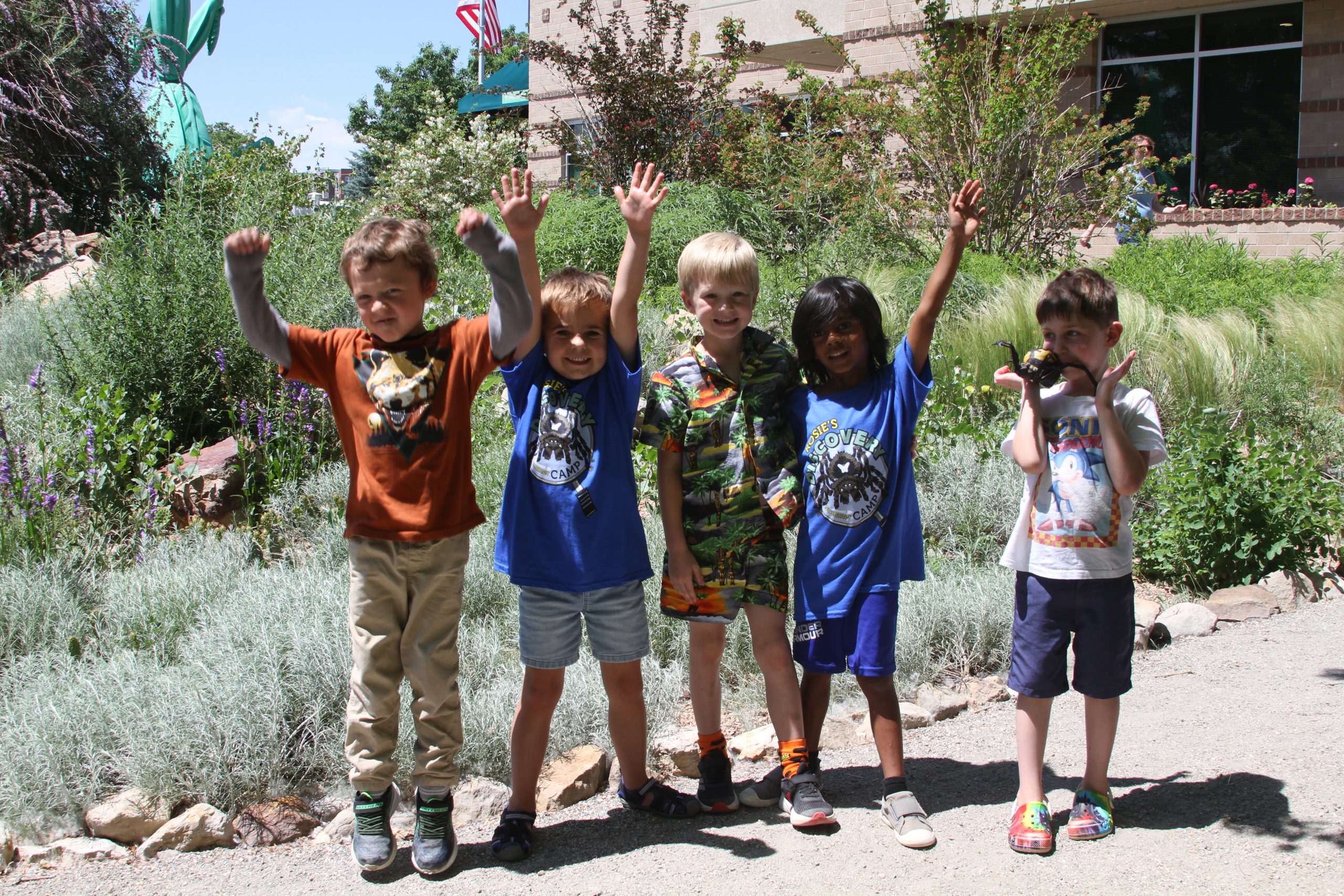
In a world filled with screens, schedules, and constant stimulation, moments of quiet curiosity in nature are becoming increasingly rare for children. Yet research and lived experience continue to show that early connections with the natural world play a powerful role in how young people learn, grow, and understand their place in it. At Butterfly Pavilion, Rosie’s Discovery Camps are rooted in a simple but meaningful idea. When children are given time, space, and guidance to explore nature hands on, they develop skills and values that stay with them long after childhood.
Learning Through Wonder
Young children are natural scientists. They ask questions, make observations, test ideas, and learn through doing. Whether it is watching a butterfly feed, gently holding a walking stick insect, or discovering how spiders build webs, these experiences spark genuine wonder. That sense of awe is often the first step toward deeper learning.
When kids learn about animals and ecosystems through direct experience, concepts like life cycles, habitats, and interdependence become tangible rather than abstract. Nature is no longer something distant or theoretical. It becomes something real, personal, and worth protecting.
Building Confidence and Curiosity
Nature based learning also supports social and emotional growth. Navigating new environments, trying unfamiliar activities, and asking questions without fear of being wrong helps children build confidence. Camps centered on exploration encourage kids to follow their curiosity, collaborate with peers, and problem solve in creative ways.
For many children, encounters with invertebrates are especially impactful. These animals are often misunderstood or overlooked, yet they make up the vast majority of animal life on Earth and play essential roles in pollination, soil health, and food systems. Learning about them early helps shift fear into fascination and respect.
Developing Environmental Empathy
One of the most lasting benefits of early nature experiences is empathy for living things. When children care for animals, observe their behaviors, and learn what they need to survive, they begin to understand that humans are part of a larger ecosystem, not separate from it.
This kind of learning does not rely on lectures or worksheets. It grows from moments of connection. A child who watches a caterpillar transform into a butterfly gains an understanding of change, patience, and resilience. A child who learns how small creatures support entire ecosystems begins to see how individual actions matter.
Planting Seeds for the Future
Not every child who attends a nature based camp will become a scientist or conservationist. But every child who spends meaningful time in nature carries something forward: curiosity, respect, and a sense of responsibility for the world around them.
Rosie’s Discovery Camps are designed to nurture those early connections. By blending play, science, and exploration, they help children build a foundation of environmental understanding at a time when it matters most.
Because when kids learn to care about the small things in nature, they grow into adults who understand how much those small things truly matter.
Learn more about Rosie’s Discover Camps HERE!